
Contents
Overview
The concept of learning as a transformative journey has ancient roots, with philosophers like Plato and Aristotle exploring how knowledge shapes the soul and society. Early educational systems, from the Socratic method to the monastic traditions of the Middle Ages, focused on disciplined acquisition of wisdom. The Renaissance and Enlightenment periods saw a surge in humanistic learning, emphasizing individual potential and the expansion of scientific inquiry, championed by figures like Galileo Galilei and Isaac Newton. The 20th century brought pedagogical revolutions with thinkers like Maria Montessori and John Dewey, who advocated for experiential and child-centered approaches, laying the groundwork for modern understandings of how we truly absorb and integrate new information, moving beyond rote memorization to foster genuine understanding and application. This historical arc highlights a persistent human drive to not just know, but to grow through knowledge.
⚙️ How It Works
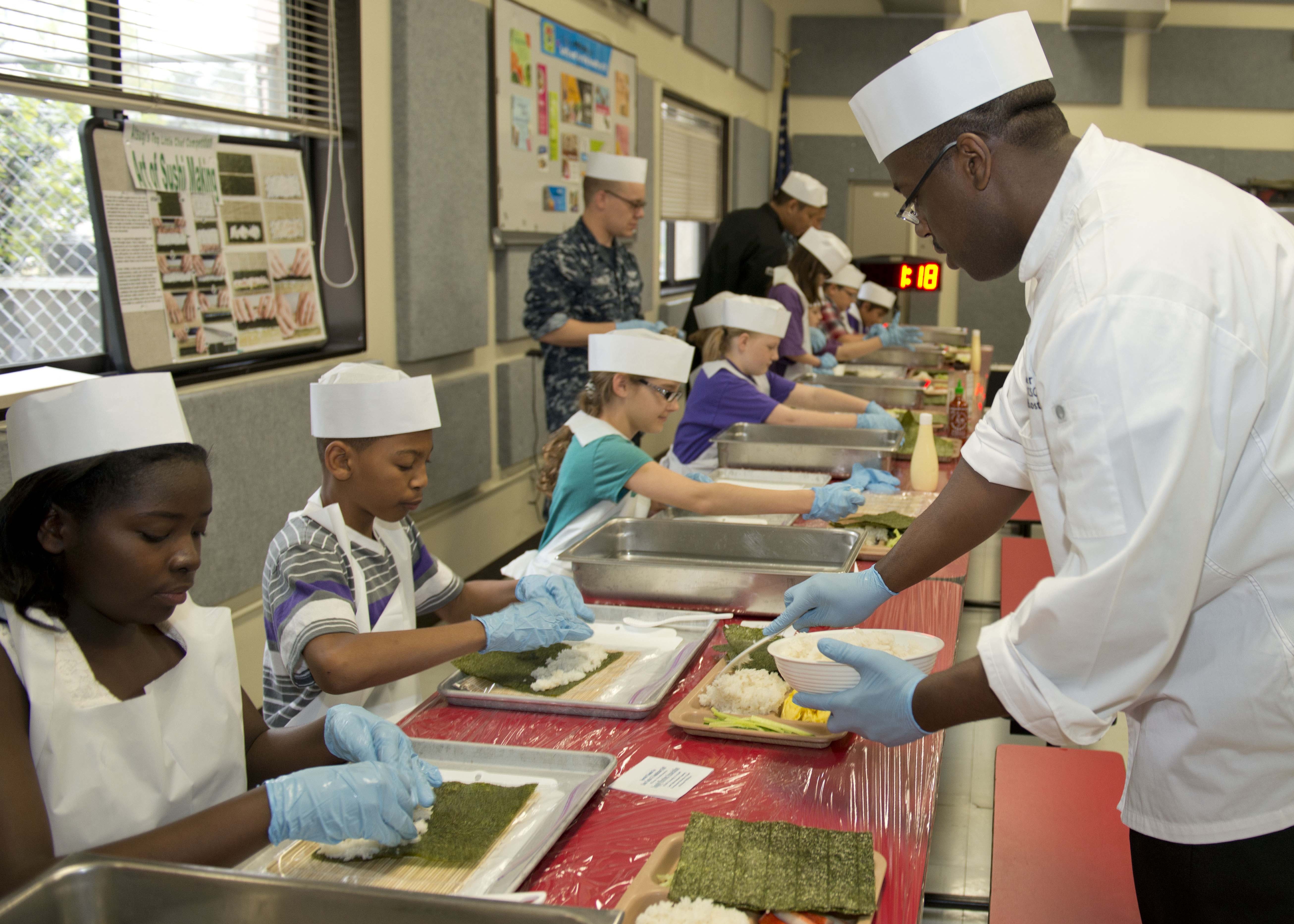
Vibrant learning thrives on active engagement and multi-sensory input. It’s about creating meaningful connections between new information and existing knowledge, often through hands-on activities, creative projects, and collaborative discussions. Think of it as building a rich mental ecosystem rather than a sterile data bank. This involves techniques like mind mapping to visualize connections, journaling to process thoughts, and engaging in project-based learning where challenges are solved through practical application. The process often involves iterative cycles of experimentation, reflection, and refinement, encouraging learners to embrace mistakes as valuable feedback, a core tenet in fields like design thinking and agile methodologies. The goal is deep integration, leading to skills and insights that feel intuitive and readily accessible.
📊 Key Facts & Numbers
Globally, the online learning market alone was valued at over $300 billion in 2023 and is projected to exceed $1 trillion by 2027, showcasing a massive scale of knowledge acquisition. Studies show that learning through diverse methods, such as combining reading with interactive simulations, can improve knowledge retention by up to 80%. Furthermore, individuals who consistently engage in learning activities report a 20% higher life satisfaction score compared to their peers. The average person spends approximately 10,000 hours mastering a complex skill, underscoring the dedication involved in deep learning, a concept explored by Anders Ericsson in his research on expertise.
👥 Key People & Organizations
Pioneers in learning theory and practice have shaped our understanding of how we grow. Jean Piaget revolutionized developmental psychology with his theories on cognitive stages, while Lev Vygotsky introduced the crucial concept of the Zone of Proximal Development (ZPD). In the digital age, platforms like Coursera and edX have democratized access to high-quality education, founded by visionaries from institutions like Stanford University and MIT. Organizations such as the Khan Academy provide free educational resources to millions worldwide, demonstrating a commitment to accessible learning. These individuals and entities have collectively fostered an environment where learning is seen as a continuous, empowering pursuit.
🌍 Cultural Impact & Influence
The influence of vibrant learning extends far beyond academic circles, permeating popular culture and societal norms. The rise of the 'growth mindset,' popularized by Carol Dweck, has encouraged millions to view challenges as opportunities for development rather than fixed limitations. This philosophy is reflected in the burgeoning wellness industry, where self-improvement and skill acquisition are central themes. Media platforms, from YouTube channels dedicated to DIY skills to podcasts featuring interviews with experts, amplify this cultural shift. The emphasis on continuous learning has also reshaped professional development, with companies increasingly investing in employee upskilling to stay competitive in rapidly evolving markets, impacting fields from artificial intelligence to sustainable agriculture.
⚡ Current State & Latest Developments
The landscape of learning is currently being reshaped by advancements in AI and personalized learning technologies. AI-powered platforms can now tailor educational content to individual learning styles and paces, offering adaptive feedback and identifying knowledge gaps with unprecedented accuracy. The integration of virtual reality and augmented reality is creating immersive learning experiences, allowing users to explore historical sites, dissect virtual organisms, or practice complex surgical procedures in safe, simulated environments. Microlearning, delivering content in bite-sized, digestible modules, is also gaining traction, catering to busy schedules and shorter attention spans. The ongoing dialogue focuses on how to ethically deploy these technologies to enhance, not replace, human connection and critical thinking in the learning process.
🤔 Controversies & Debates
A significant debate revolves around the 'credentialing' of informal learning. While platforms like LinkedIn Learning offer certificates, the academic and professional world still largely prioritizes traditional degrees. Critics argue this undervalues the skills gained through self-directed study and practical experience. Another point of contention is the digital divide; disparities in internet connectivity and digital literacy mean that not everyone can equally benefit from these advancements. Furthermore, the potential for AI to automate certain cognitive tasks raises questions about the future of skills and the very definition of 'learning' in an increasingly automated world, prompting discussions on universal basic income and the value of human creativity.
🔮 Future Outlook & Predictions
The future of learning is poised for even greater personalization and integration into daily life. Expect AI tutors to become more sophisticated, offering nuanced guidance and emotional support. VR and AR will likely move beyond niche applications to become standard tools for immersive education and training across industries. Lifelong learning will transition from a desirable trait to an essential survival skill, with individuals continuously upskilling and reskilling throughout their careers. We may also see a greater emphasis on 'learning to learn' – metacognitive skills that empower individuals to navigate the ever-changing knowledge landscape effectively. The ultimate goal will be a seamless blend of formal education, informal exploration, and on-the-job training, fostering adaptable and resilient individuals.
💡 Practical Applications
Vibrant learning finds practical application in countless areas. For personal growth, it means picking up a new language using apps like Duolingo, mastering a musical instrument through online tutorials, or delving into philosophy via engaging podcasts. Professionally, it involves acquiring new technical skills through coding bootcamps, learning digital marketing strategies, or understanding project management frameworks to advance careers. In communities, it can manifest as workshops on sustainable gardening, local history tours, or collaborative art projects that bring people together. Even simple daily habits, like reading a news article from a reputable source or engaging in a thoughtful conversation, contribute to this ongoing process of enriching our understanding and capabilities.
Key Facts
- Category
- personal-development
- Type
- topic