
Contents
- 🤖 Introduction to Artificial Intelligence
- 💻 History of AI: From Rule-Based Systems to Deep Learning
- 📊 AI Applications: Transforming Industries and Lives
- 🚀 AI in Robotics: The Future of Human-Machine Interaction
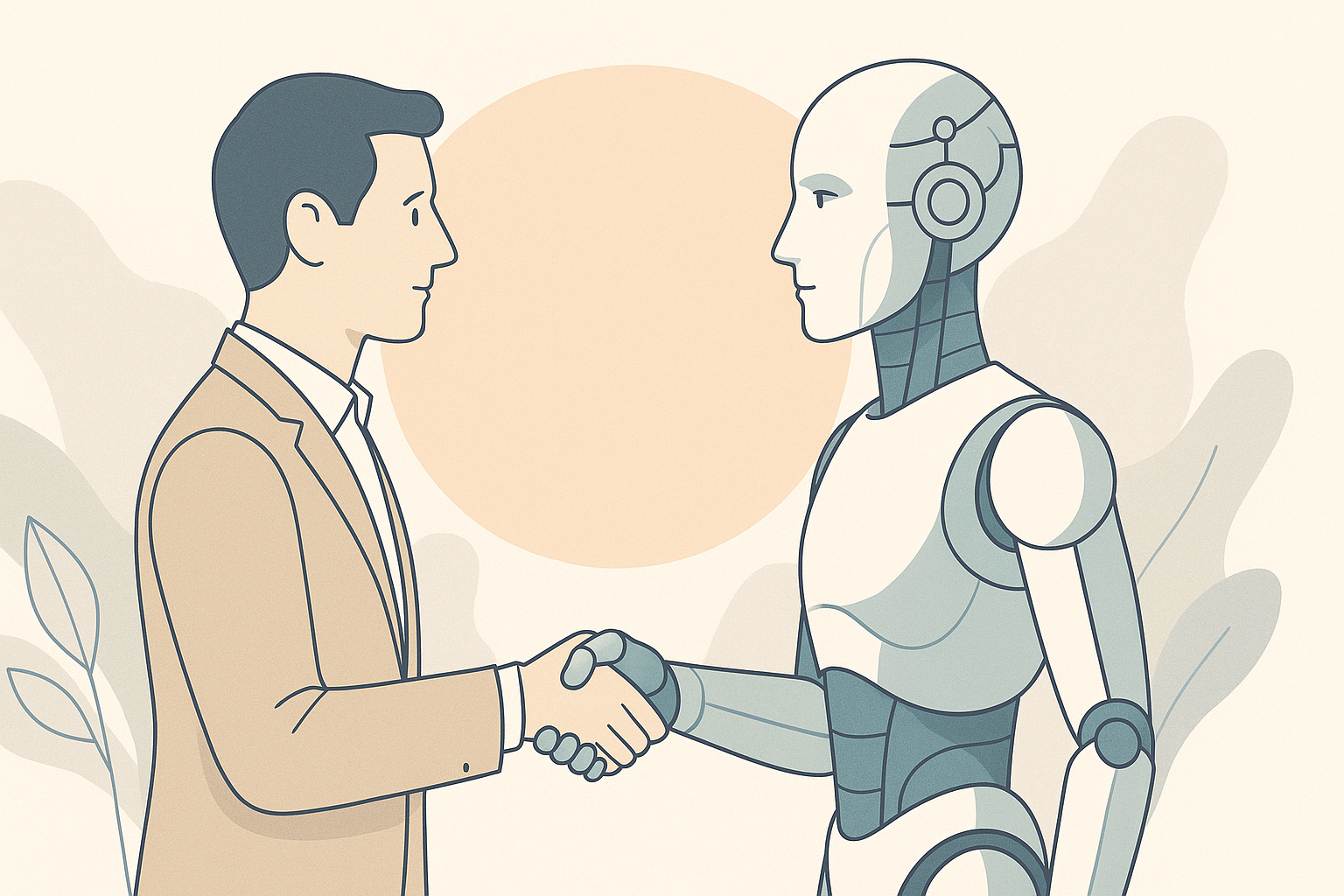
- 🤝 Human-AI Collaboration: Augmenting Intelligence
- 🚫 The Dark Side of AI: Job Displacement and Bias
- 🔒 AI Safety and Security: Mitigating Risks
- 📚 AI Ethics: Ensuring Responsible Innovation
- 🌐 Global AI Governance: A New Era of Cooperation
- 📊 AI and Data: The Fuel for Intelligent Systems
- 👥 AI and Human Relationships: Redefining Intimacy and Trust
- Frequently Asked Questions
- Related Topics
Overview
Artificial intelligence, a concept born from Alan Turing's 1950 paper 'Computing Machinery and Intelligence,' has evolved into a multifaceted field that encompasses machine learning, natural language processing, and computer vision. With pioneers like Geoffrey Hinton, Yann LeCun, and Fei-Fei Li pushing the boundaries, AI has achieved unprecedented milestones, such as IBM's Watson winning Jeopardy! in 2011 and AlphaGo defeating a human Go champion in 2016. However, as AI systems become more autonomous and pervasive, concerns about job displacement, bias, and existential risk have sparked intense debates. The influence of AI can be seen in various sectors, including healthcare, finance, and transportation, with companies like Google, Amazon, and Facebook investing heavily in AI research. As AI continues to advance, the world is poised on the cusp of a revolution that could either usher in an era of unprecedented prosperity or exacerbate existing social inequalities. With a vibe score of 8.2, indicating high cultural energy, AI remains a highly contested and dynamic field, with its future trajectory hanging in the balance.
🤖 Introduction to Artificial Intelligence
Artificial intelligence (AI) is the capability of computational systems to perform tasks typically associated with human intelligence, such as Learning and Reasoning. It is a field of research in Engineering, Mathematics, and Computer Science that develops and studies methods and software that enable machines to perceive their environment and use learning and intelligence to take actions that maximize their chances of achieving defined goals. As AI continues to advance, it is transforming industries and lives, from Healthcare to Finance. However, it also raises important questions about the future of work and the potential risks and benefits of AI Safety.
💻 History of AI: From Rule-Based Systems to Deep Learning
The history of AI dates back to the 1950s, when the first Rule-Based Systems were developed. Since then, AI has evolved significantly, with the development of Machine Learning and Deep Learning algorithms. These advancements have enabled AI systems to learn from large datasets and improve their performance over time, leading to breakthroughs in areas like Natural Language Processing and Computer Vision. As AI continues to advance, it is likely to have a significant impact on various industries, including Transportation and Education.
📊 AI Applications: Transforming Industries and Lives
AI applications are numerous and diverse, ranging from Virtual Assistants like Siri and Alexa to Self-Driving Cars. AI is also being used in Healthcare to develop personalized medicine and improve patient outcomes. Additionally, AI is being applied in Finance to detect fraud and improve risk management. As AI continues to transform industries, it is also raising important questions about the future of work and the potential risks and benefits of AI Ethics. For example, the use of AI in Hiring and Recruitment has raised concerns about bias and fairness.
🚀 AI in Robotics: The Future of Human-Machine Interaction
AI in Robotics is an area of research that focuses on developing intelligent robots that can interact with their environment and learn from experience. This field has the potential to revolutionize industries like Manufacturing and Logistics, where robots can be used to perform tasks that are dangerous or difficult for humans. However, it also raises important questions about the future of work and the potential risks and benefits of Human-Robot Interaction. As AI continues to advance, it is likely to have a significant impact on various industries, including Entertainment and Gaming.
🤝 Human-AI Collaboration: Augmenting Intelligence
Human-AI collaboration is an area of research that focuses on developing systems that can work effectively with humans. This includes areas like Human-Computer Interaction and Collaborative Robots. As AI continues to advance, it is likely to have a significant impact on various industries, including Customer Service and Technical Support. However, it also raises important questions about the future of work and the potential risks and benefits of AI Augmentation. For example, the use of AI in Education has raised concerns about the potential for AI to replace human teachers.
🚫 The Dark Side of AI: Job Displacement and Bias
The dark side of AI is a topic of increasing concern, as AI systems have the potential to displace human workers and exacerbate existing social inequalities. For example, the use of AI in Hiring and Recruitment has raised concerns about bias and fairness. Additionally, the development of Autonomous Weapons has raised concerns about the potential risks and benefits of AI Safety. As AI continues to advance, it is likely to have a significant impact on various industries, including Government and Non-Profit.
🔒 AI Safety and Security: Mitigating Risks
AI safety and security is an area of research that focuses on developing systems that can mitigate the risks associated with AI. This includes areas like AI Security and AI Governance. As AI continues to advance, it is likely to have a significant impact on various industries, including Finance and Healthcare. However, it also raises important questions about the future of work and the potential risks and benefits of AI Ethics. For example, the use of AI in Cybersecurity has raised concerns about the potential for AI to be used in Cyberattacks.
📚 AI Ethics: Ensuring Responsible Innovation
AI ethics is an area of research that focuses on developing systems that can ensure responsible innovation. This includes areas like AI Transparency and AI Accountability. As AI continues to advance, it is likely to have a significant impact on various industries, including Education and Research. However, it also raises important questions about the future of work and the potential risks and benefits of AI Safety. For example, the use of AI in Scientific Research has raised concerns about the potential for AI to be used in Scientific Misconduct.
🌐 Global AI Governance: A New Era of Cooperation
Global AI governance is an area of research that focuses on developing systems that can ensure cooperation and coordination among nations. This includes areas like AI Diplomacy and AI Cooperation. As AI continues to advance, it is likely to have a significant impact on various industries, including Government and Non-Profit. However, it also raises important questions about the future of work and the potential risks and benefits of AI Ethics. For example, the use of AI in International Relations has raised concerns about the potential for AI to be used in Cyberwarfare.
📊 AI and Data: The Fuel for Intelligent Systems
AI and data is an area of research that focuses on developing systems that can learn from large datasets. This includes areas like Machine Learning and Deep Learning. As AI continues to advance, it is likely to have a significant impact on various industries, including Healthcare and Finance. However, it also raises important questions about the future of work and the potential risks and benefits of AI Safety. For example, the use of AI in Data Analytics has raised concerns about the potential for AI to be used in Data Breaches.
👥 AI and Human Relationships: Redefining Intimacy and Trust
AI and human relationships is an area of research that focuses on developing systems that can interact with humans in a way that is natural and intuitive. This includes areas like Human-Computer Interaction and Social Robots. As AI continues to advance, it is likely to have a significant impact on various industries, including Education and Entertainment. However, it also raises important questions about the future of work and the potential risks and benefits of AI Ethics. For example, the use of AI in Virtual Reality has raised concerns about the potential for AI to be used in Social Isolation.
Key Facts
- Year
- 1950
- Origin
- United Kingdom
- Category
- Technology
- Type
- Concept
Frequently Asked Questions
What is artificial intelligence?
Artificial intelligence (AI) is the capability of computational systems to perform tasks typically associated with human intelligence, such as learning and reasoning. It is a field of research in engineering, mathematics, and computer science that develops and studies methods and software that enable machines to perceive their environment and use learning and intelligence to take actions that maximize their chances of achieving defined goals. For more information, see Artificial Intelligence.
What are the applications of AI?
AI applications are numerous and diverse, ranging from virtual assistants like Siri and Alexa to self-driving cars. AI is also being used in healthcare to develop personalized medicine and improve patient outcomes. Additionally, AI is being applied in finance to detect fraud and improve risk management. For more information, see AI Applications.
What are the risks and benefits of AI?
The risks and benefits of AI are numerous and complex. On the one hand, AI has the potential to transform industries and improve lives. On the other hand, AI also raises important questions about the future of work and the potential risks and benefits of AI ethics. For example, the use of AI in hiring and recruitment has raised concerns about bias and fairness. For more information, see AI Risks and Benefits.
What is AI safety and security?
AI safety and security is an area of research that focuses on developing systems that can mitigate the risks associated with AI. This includes areas like AI security and AI governance. As AI continues to advance, it is likely to have a significant impact on various industries, including finance and healthcare. For more information, see AI Safety and Security.
What is AI ethics?
AI ethics is an area of research that focuses on developing systems that can ensure responsible innovation. This includes areas like AI transparency and AI accountability. As AI continues to advance, it is likely to have a significant impact on various industries, including education and research. For more information, see AI Ethics.
What is global AI governance?
Global AI governance is an area of research that focuses on developing systems that can ensure cooperation and coordination among nations. This includes areas like AI diplomacy and AI cooperation. As AI continues to advance, it is likely to have a significant impact on various industries, including government and non-profit. For more information, see Global AI Governance.
What is the future of AI?
The future of AI is uncertain and complex. On the one hand, AI has the potential to transform industries and improve lives. On the other hand, AI also raises important questions about the future of work and the potential risks and benefits of AI ethics. For more information, see Future of AI.