
Contents
- 🧘♀️ The Genesis of Contrology
- 💪 The Core Principles: Beyond the Mat
- 🤸♀️ Mat vs. Reformer: A Tale of Two Apparatuses
- ✨ The Vibe of Precision: Mind-Body Connection
- 📈 The Modern Evolution: From Classical to Contemporary
- 🏆 Pilates for Performance: Athletes and Injury Rehab
- ⚖️ The Controversy Spectrum: Is It Just Core Strength?
- 🚀 The Future Pulse: Pilates in the Digital Age
- Frequently Asked Questions
- Related Topics
Overview
Pilates, a system of exercises developed by Joseph Pilates in the early 20th century, emphasizes controlled movements, core strength, and breath synchronization. Initially conceived as a rehabilitation method, it has evolved into a global fitness phenomenon, lauded for its ability to improve posture, flexibility, and muscular balance. The practice is characterized by its focus on the 'powerhouse' – the deep abdominal muscles, lower back, hips, and buttocks – and its adaptability across various apparatus and mat work. While its core principles remain consistent, contemporary interpretations range from classical adherence to more athletic, contemporary styles, sparking ongoing debates about authenticity and efficacy. Its influence is undeniable, permeating not just dedicated studios but also broader wellness trends, from physical therapy to athletic conditioning.
🧘♀️ The Genesis of Contrology
Joseph Pilates, a German physical culturist, developed what he called 'Contrology' in the early 20th century. Driven by his own childhood frailties and a desire to build a stronger, more resilient physique, he meticulously crafted a system of exercises. His early work, detailed in his 1945 book Return to Life Through Contrology, laid the foundation for a discipline that promised to unite mind and body. Pilates' initial focus was on rehabilitation, using spring-based apparatuses to aid injured soldiers and dancers. The original 34 mat exercises remain the bedrock, a testament to his genius in creating a comprehensive system with minimal equipment.
💪 The Core Principles: Beyond the Mat
At its heart, Pilates is defined by six core principles: concentration, control, centering, flow, precision, and breath. These aren't mere buzzwords; they are the operational directives for every movement. Concentration demands full mental engagement, ensuring each repetition is mindful. Control emphasizes deliberate, smooth execution, avoiding jerky or momentum-driven actions. Centering refers to the activation of the deep core muscles, the powerhouse of the body. Flow dictates that movements should be fluid and continuous, linking one exercise to the next. Precision ensures correct form, and breath is the vital energy that fuels and synchronizes the entire practice. Mastering these principles is key to unlocking the transformative potential of Pilates exercises.
🤸♀️ Mat vs. Reformer: A Tale of Two Apparatuses
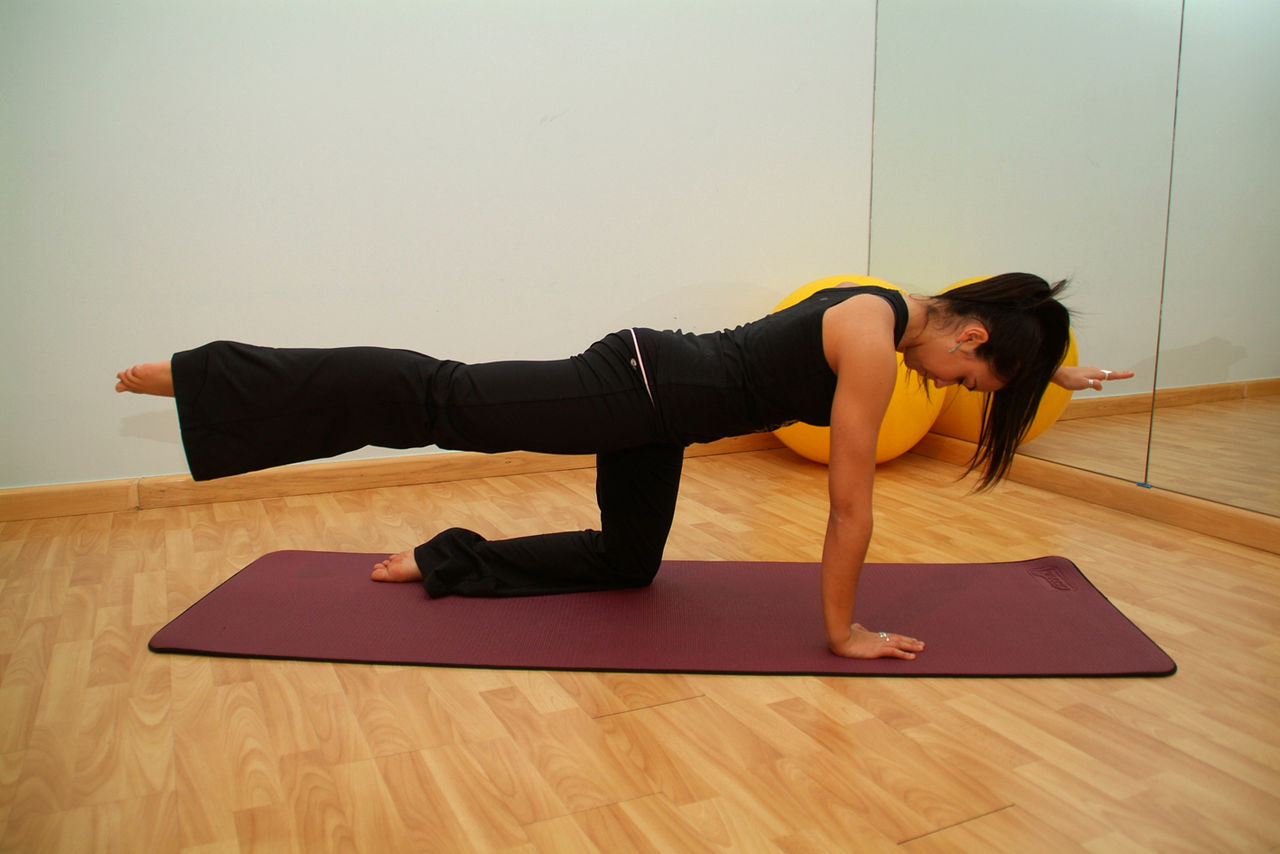
While the original 34 mat exercises are fundamental, much of the modern Pilates world revolves around specialized apparatuses, most notably the Reformer. The Reformer, a bed-like frame with a sliding carriage, uses spring resistance to both support and challenge the body. This allows for a wider range of motion and varied resistance levels, making it accessible for beginners and intensely demanding for advanced practitioners. Other key apparatuses include the Cadillac, the Wunda Chair, and the Ladder Barrel, each designed to isolate muscle groups and facilitate specific movements, offering a different flavor of mind-body training compared to the mat work.
✨ The Vibe of Precision: Mind-Body Connection
The 'mind-body connection' in Pilates is not a mystical concept but a practical application of focused awareness. Each exercise requires intense concentration, forcing the practitioner to tune into subtle muscular engagements and breath patterns. This heightened proprioception—the body's awareness of its position in space—is cultivated through precise execution. The result is a profound sense of control and integration, where the mind actively directs the body's movements, fostering a unique wellness experience. This deep engagement is what elevates Pilates beyond mere physical exertion, contributing to its high Vibe score for mental clarity.
📈 The Modern Evolution: From Classical to Contemporary
Since Joseph Pilates' passing in 1967, his method has undergone significant evolution. Classical Pilates, which adheres strictly to his original teachings and exercises, is upheld by a dedicated lineage of instructors. However, Contemporary Pilates has emerged, adapting the exercises to modern biomechanical understanding and incorporating new movements. This has led to a broader spectrum of approaches, from traditional studios to fusion classes that blend Pilates with yoga or barre. This divergence fuels ongoing debates about authenticity versus innovation within the Pilates community.
🏆 Pilates for Performance: Athletes and Injury Rehab
Pilates has transcended its origins as a rehabilitation tool to become a cornerstone for athletic conditioning and injury recovery. Elite athletes across disciplines, from football to ballet, incorporate Pilates to enhance core strength, improve flexibility, and prevent injuries. Its controlled, low-impact nature makes it ideal for rehabilitating injuries, particularly those affecting the spine and joints. Physical therapists and sports medicine professionals frequently recommend Pilates for its ability to rebuild strength and proprioception safely, making it a vital component of physical therapy and sports performance.
⚖️ The Controversy Spectrum: Is It Just Core Strength?
The Controversy Spectrum for Pilates often centers on its perceived limitations and the commercialization of the practice. Skeptics question whether the emphasis on core strength and precision adequately addresses overall cardiovascular fitness or functional strength for everyday life. The proliferation of 'Pilates-inspired' classes, often with less rigorous training for instructors, also raises concerns about dilution of the method's integrity. Furthermore, the cost of specialized equipment and studio memberships can create accessibility barriers, leading to debates about whether Pilates remains a niche practice or a truly universal wellness modality.
🚀 The Future Pulse: Pilates in the Digital Age
The future of Pilates is increasingly intertwined with digital innovation. Online classes, virtual reality experiences, and smart equipment that provides real-time feedback are transforming how people access and engage with the practice. This digital shift offers unprecedented accessibility, allowing individuals to practice Pilates anywhere, anytime. However, it also presents challenges in maintaining the crucial instructor-student connection and ensuring the fidelity of the method. The integration of technology promises to expand Pilates' reach but also necessitates careful consideration of how to preserve its core principles of precision and mindful movement in a virtual environment.
Key Facts
- Year
- 1925
- Origin
- Germany
- Category
- Wellness
- Type
- Practice
Frequently Asked Questions
What is the main difference between Classical and Contemporary Pilates?
Classical Pilates adheres strictly to Joseph Pilates' original 34 mat exercises and apparatus work, emphasizing his precise methods and philosophy. Contemporary Pilates, while rooted in the original principles, has evolved to incorporate modern biomechanical understanding, new exercises, and adaptations for different fitness levels and goals. The choice often depends on whether a practitioner seeks the historical purity of the method or a more modernized approach.
How many people practice Pilates worldwide?
As of 2023, it's widely reported that over 12 million people globally practice Pilates. This significant number underscores its widespread appeal as a mind-body exercise and its growing influence in the wellness industry.
Can Pilates help with weight loss?
While Pilates is not primarily a cardiovascular workout designed for rapid calorie burn, it can contribute to weight loss indirectly. By building lean muscle mass, it boosts metabolism, and the increased body awareness can lead to healthier eating habits. Many practitioners find that combining Pilates with other forms of exercise, like cardio workouts, yields the best results for weight management.
Is Pilates suitable for beginners?
Absolutely. Pilates is highly adaptable and can be modified for all fitness levels, including complete beginners. Introductory classes focus on teaching the fundamental principles and basic exercises, ensuring a safe and effective introduction to the practice. Many studios offer beginner-specific programs to build a strong foundation.
What are the benefits of using Pilates apparatus like the Reformer?
Pilates apparatus, such as the Reformer, offers unique benefits by using spring resistance to provide both support and challenge. This allows for a greater range of motion, increased muscle engagement, and the ability to perform exercises that are not possible on the mat. The apparatus can help isolate specific muscle groups, improve alignment, and provide a more intense workout for experienced practitioners.
How often should I practice Pilates?
The ideal frequency for practicing Pilates varies depending on individual goals and fitness levels. Many practitioners find that attending classes 2-3 times per week yields significant benefits. However, even practicing once a week can offer improvements in core strength, flexibility, and body awareness. Consistency is key to experiencing the full transformative effects of the method.