
Contents
- 🎵 Origins & History
- ⚙️ How It Works
- 📊 Key Facts & Numbers
- 👥 Key People & Organizations
- 🌍 Cultural Impact & Influence
- ⚡ Current State & Latest Developments
- 🤔 Controversies & Debates
- 🔮 Future Outlook & Predictions
- 💡 Practical Applications
- 📚 Related Topics & Deeper Reading
- Frequently Asked Questions
- References
- Related Topics
Overview
The roots of mind-body exercises stretch back millennia, deeply embedded in ancient Eastern philosophies and healing traditions. Practices like yoga, originating in ancient India around 5,000 years ago, were initially developed as spiritual disciplines aimed at uniting the individual consciousness with the universal consciousness. Similarly, Tai Chi, a martial art developed in China over 700 years ago, evolved from ancient Qigong practices, focusing on the cultivation and flow of vital energy (Qi) through slow, deliberate movements and deep breathing. The Western world began to formally integrate these concepts more recently. Joseph Pilates, a German physical trainer, developed his method, initially called 'Contrology,' in the early 20th century, emphasizing the mind's control over the body's muscles. His work, alongside the popularization of yoga and Tai Chi in the West during the mid-to-late 20th century, laid the groundwork for the modern understanding and widespread adoption of mind-body disciplines.
⚙️ How It Works
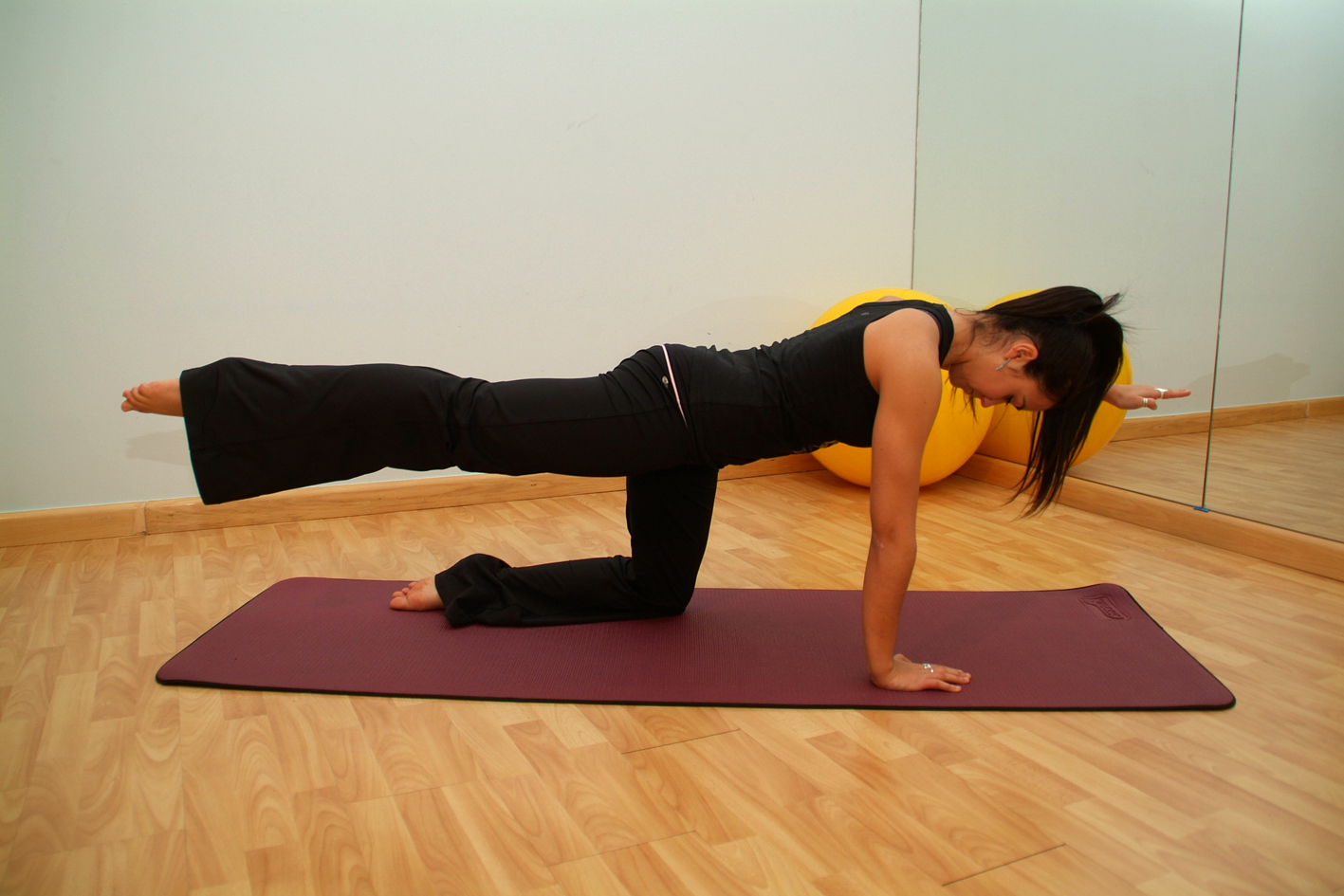
At their core, mind-body exercises function by creating a feedback loop between mental intention and physical action, often mediated by breath. The practitioner focuses their attention inward, observing bodily sensations, breath patterns, and mental states without judgment. This focused awareness, often termed mindfulness, allows for precise control over movements, enhancing muscle engagement, balance, and proprioception. For instance, in Pilates, the emphasis on 'core control' requires intense mental concentration to isolate and activate deep abdominal and back muscles. In yoga, specific asanas (poses) are held with mindful attention to breath and alignment, fostering both physical strength and mental calm. The synchronized breathwork, a common element across many practices, acts as an anchor for the mind, helping to regulate the nervous system and reduce stress responses, often measured by changes in heart rate variability and cortisol levels.
📊 Key Facts & Numbers
Globally, over 150 million people regularly practice some form of mind-body exercise, with yoga alone boasting an estimated 300 million practitioners worldwide. The global market for yoga and meditation-related products and services was valued at over $47 billion in 2022, projected to reach $66 billion by 2027. In the United States, approximately 14.3% of adults (around 35 million people) reported practicing yoga in 2022, according to the National Center for Complementary and Integrative Health. Tai Chi is practiced by millions, particularly in Asia, with studies suggesting its benefits for balance in older adults can reduce fall rates by up to 45%. The Pilates industry also sees significant engagement, with over 12 million practitioners globally, generating billions in revenue annually through studios and equipment sales.
👥 Key People & Organizations
Key figures have been instrumental in shaping the landscape of mind-body exercises. Joseph Pilates (1883-1967) developed the foundational principles of Pilates through his 'Contrology' method, initially designed for rehabilitation. Swami Vivekananda, who introduced yoga to the West in the late 19th century, played a pivotal role in its philosophical dissemination. More contemporary figures like B.K.S. Iyengar (1918-2014) revolutionized yoga instruction with his precise alignment-focused approach, detailed in his seminal work 'Light on Yoga.' Organizations such as the World Health Organization (WHO) have recognized the therapeutic potential of these practices, advocating for their integration into public health strategies. Numerous research institutions, including Harvard University and Stanford University, actively conduct studies on the physiological and psychological benefits of these disciplines.
🌍 Cultural Impact & Influence
The cultural impact of mind-body exercises is profound and far-reaching, extending beyond personal wellness to influence art, media, and societal attitudes towards health. Yoga studios have become ubiquitous in urban centers worldwide, transforming the perception of physical fitness to include mental and spiritual well-being. The aesthetic of mindful movement has inspired dance forms and choreography, while the emphasis on inner peace has permeated popular culture, influencing everything from advertising to lifestyle blogs. The rise of wellness influencers on platforms like Instagram and YouTube has further democratized access to these practices, making them more visible and aspirational. This cultural integration has shifted the dialogue around health, moving from a purely biomedical model to one that embraces psychological and spiritual dimensions, fostering a more holistic approach to life.
⚡ Current State & Latest Developments
In 2024, the mind-body exercise sector is experiencing robust growth, driven by increasing awareness of mental health and stress management. Digital platforms offering live and on-demand classes, such as Peloton and Alo Moves, have seen significant user engagement, expanding accessibility beyond physical studios. There's a growing trend towards specialized practices, including trauma-informed yoga, adaptive Pilates for specific physical needs, and fusion classes that blend elements from different disciplines. Research continues to validate the efficacy of these practices for a wider range of conditions, including long COVID recovery and neurodegenerative diseases. The integration of wearable technology, like Fitbit and Apple Watch, to track metrics related to mindfulness and breathwork is also becoming more common, providing users with data-driven insights into their practice.
🤔 Controversies & Debates
Despite their widespread popularity, mind-body exercises are not without their controversies and debates. One significant debate centers on the commercialization and 'McMindfulness' phenomenon, where the spiritual and philosophical underpinnings of practices like yoga are often diluted or ignored in favor of purely physical or stress-reduction benefits, sometimes leading to appropriation of cultural elements. Another point of contention is the varying quality of instruction; the lack of standardized certification in some disciplines, particularly yoga, can lead to inconsistent teaching quality and potential for injury. Furthermore, the accessibility of high-quality instruction can be an issue, with premium studios and equipment often carrying substantial costs, raising questions about equity and inclusivity. Some critics also point to the potential for these practices to be used as a substitute for addressing systemic issues that cause stress and suffering, rather than as a complement to broader social change.
🔮 Future Outlook & Predictions
The future of mind-body exercises appears poised for continued innovation and integration. We can expect a greater emphasis on personalized practices, leveraging AI and biometric data to tailor routines to individual needs and goals. The scientific validation of these practices will likely deepen, leading to their broader acceptance and integration within mainstream healthcare systems, potentially being prescribed by doctors for various conditions. There's also a projected rise in 'hybrid' wellness models, combining in-person experiences with sophisticated digital offerings. Furthermore, as global interconnectedness grows, we may see more cross-cultural pollination of practices, leading to novel hybrid forms that blend techniques from diverse traditions, further enriching the mind-body landscape and offering new avenues for vibrant living.
💡 Practical Applications
Mind-body exercises offer a wealth of practical applications for enhancing daily life. Yoga can be used to improve flexibility and reduce muscle tension, making everyday movements easier and preventing injuries. Tai Chi is widely recommended for seniors to improve balance and coordination, significantly reducing the risk of falls. Pilates is often employed in physical therapy settings to rehabilitate injuries, strengthen the core, and improve posture. Even short, mindful breathing exercises, practiced for just 5-10 minutes daily, can effectively reduce stress and anxiety levels, improving focus and emotional regulation. Many workplaces are now incorporating brief mindfulness sessions or stretching breaks, inspired by these practices, to boost employee well-being and productivity. The principles can also be applied off the mat, encouraging mindful eating, mindful communication, and a more present approach to all activities.
Key Facts
- Year
- Ancient origins, modern popularization mid-20th century onwards
- Origin
- Global (Ancient India, China, Germany, etc.)
- Category
- wellness
- Type
- concept
Frequently Asked Questions
What are the main benefits of practicing mind-body exercises?
The primary benefits include reduced stress and anxiety, improved physical flexibility and strength, enhanced body awareness, better posture, and increased emotional regulation. Practices like yoga and Tai Chi have also been shown to improve cardiovascular health and balance, particularly in older adults, potentially reducing fall rates by up to 45%. Regular engagement can lead to a greater sense of overall well-being and a more integrated mind-body connection.
Which are the most popular types of mind-body exercises?
The most globally recognized and practiced forms include yoga, with an estimated 300 million practitioners worldwide, Tai Chi, popular for its gentle movements and health benefits, and Pilates, known for its core strengthening and precise movements. Meditation and Qigong are also fundamental practices within this category, often integrated with physical movement.
How do mind-body exercises differ from traditional exercise?
Unlike traditional exercises that primarily focus on cardiovascular fitness or muscular strength, mind-body exercises intentionally integrate mental focus, breath control, and conscious awareness with physical movement. The emphasis is on the quality of movement, internal sensation, and the connection between the mind and body, rather than solely on external performance metrics like speed or weight lifted. This focus aims to cultivate not just physical health but also mental clarity and emotional balance.
Can mind-body exercises help with chronic pain or mental health conditions?
Yes, numerous studies support the efficacy of mind-body exercises for managing chronic pain and various mental health conditions. Practices like yoga and MBSR are frequently recommended for reducing symptoms of depression, anxiety, and chronic pain by modulating the nervous system and improving coping mechanisms. The focused attention and breathwork can help individuals detach from pain sensations and reduce stress-related physiological responses.
What is the role of breath in mind-body exercises?
Breath is a central anchor in most mind-body practices, serving as the bridge between the physical and mental realms. Conscious breathing techniques, such as deep diaphragmatic breathing or specific pranayama exercises in yoga, help regulate the autonomic nervous system, promoting relaxation and reducing stress. Synchronizing movement with breath enhances body awareness, improves focus, and facilitates the flow of energy, contributing to the overall therapeutic effect of the practice.
How can I start practicing mind-body exercises?
Starting is simple! You can begin by exploring beginner classes at local studios for yoga, Pilates, or Tai Chi. Alternatively, numerous online platforms like Alo Moves or YouTube offer guided sessions for all levels. Even dedicating 5-10 minutes daily to mindful breathing or gentle stretching can be a powerful starting point. Look for certified instructors who emphasize safety and proper alignment.
What are the future trends in mind-body exercises?
Future trends point towards greater personalization through AI and biometric data, increased integration into mainstream healthcare as therapeutic interventions, and the development of hybrid digital-physical wellness models. We can also anticipate more cross-cultural fusions of practices and a continued emphasis on scientific validation to broaden their acceptance and application in diverse populations and for a wider range of health concerns.