
Contents
Overview
The concept of dedicated retreats for spiritual and physical practice has ancient roots, with yogis in India historically undertaking periods of intense practice in secluded environments. The modern yoga retreat, as a structured offering for a broader audience, began to take shape in the mid-20th century, particularly with the global spread of yoga. Early pioneers reportedly established ashrams and centers that offered immersive experiences, laying groundwork for organized retreats. The 1960s and 70s reportedly saw a surge in interest in Eastern philosophies and practices in the West, leading to more formalized retreat structures. By the late 20th century, numerous yoga centers and independent teachers began offering weekend and week-long retreats, often in scenic locations, blending traditional yoga with elements of personal growth and cultural immersion.
⚙️ How It Works
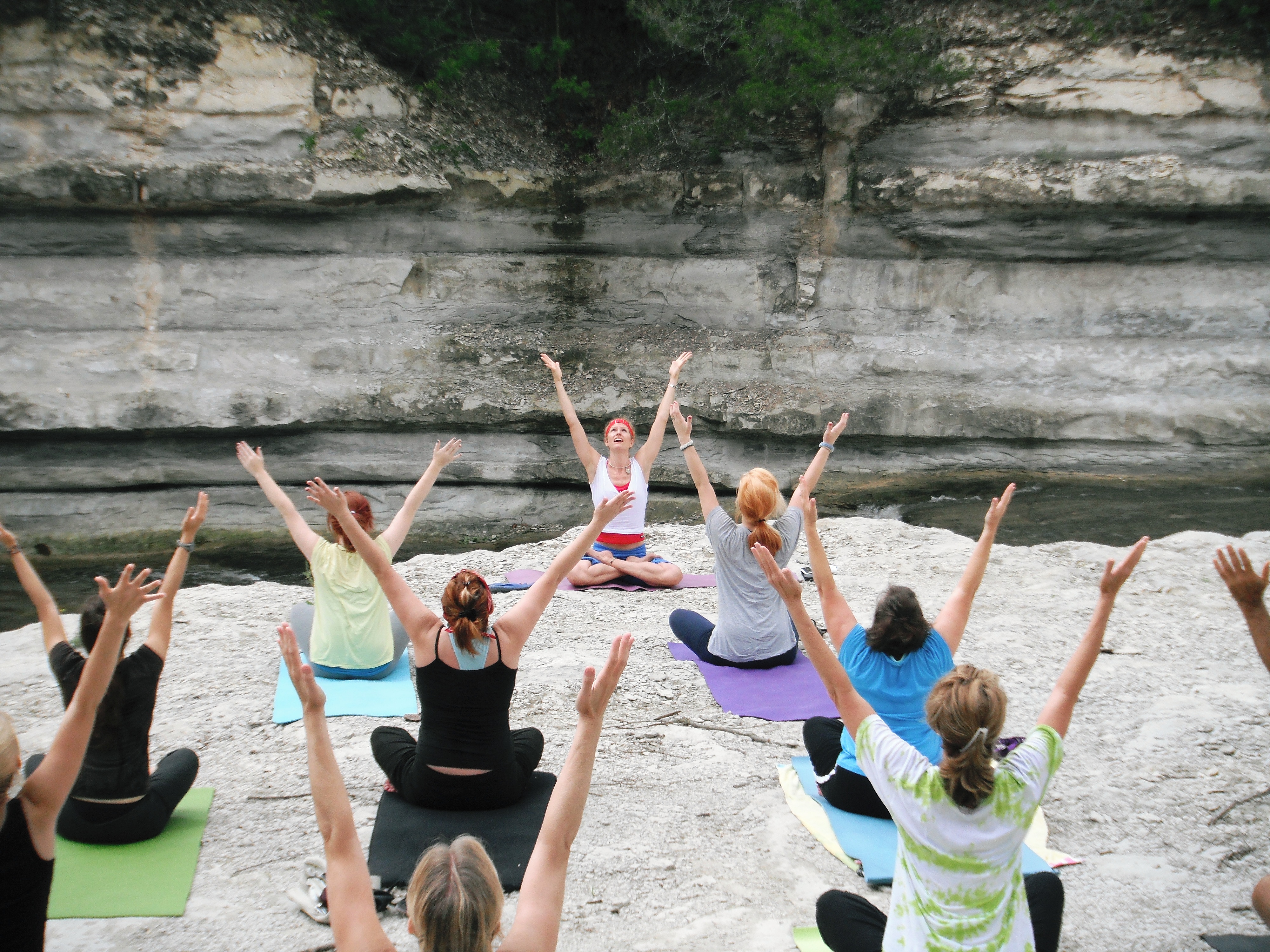
A typical yoga retreat is structured to provide a comprehensive experience that goes beyond daily practice. It usually begins with an opening circle to set intentions and build community, followed by multiple daily yoga sessions that might vary in style, from vigorous Vinyasa flows to restorative Yin yoga. Interspersed are guided meditations, pranayama sessions, and often workshops focusing on nutrition, journaling, or specific aspects of yoga philosophy. Meals are usually communal and often plant-based, designed to complement the mindful practices. Many retreats incorporate opportunities for local exploration, such as hiking or visiting cultural sites, and conclude with a closing ceremony to integrate the experience. The emphasis is on creating a supportive environment that encourages introspection, connection, and a break from digital distractions.
📊 Key Facts & Numbers
The global wellness tourism market, a significant driver for yoga retreats, was projected to reach $1.5 trillion by 2027, with yoga-centric experiences forming a substantial segment. In 2023, an estimated 10-15% of yoga practitioners in North America and Europe participated in at least one retreat annually. The average cost of a 7-day yoga retreat can range from $1,500 to $5,000 USD, depending on the location, luxury level, and included activities. Popular destinations like Bali, Costa Rica, and the Greek Islands host hundreds of retreats each year, with some venues accommodating over 50 participants per event. The digital nomad and remote work trends have also influenced retreat models, with some offering 'work-and-wellness' packages, blending productivity with rejuvenation.
👥 Key People & Organizations
Key figures in the popularization of yoga retreats include John Friend, founder of Anusara Yoga, whose teacher training programs often included retreat components, and Greg Marthinsen, who has led numerous high-profile retreats. Organizations like Yoga Journal have historically played a role in promoting retreat centers and events through their publications and conferences. Many influential yoga studios and online platforms, such as Glo.com and Gaia.com, now offer virtual or hybrid retreat experiences, expanding accessibility. Retreat centers themselves, like the Shambhala Mountain Center in Colorado or Yoga Village Bali, have become hubs for these immersive experiences, attracting renowned instructors.
🌍 Cultural Impact & Influence
Yoga retreats have significantly influenced the perception and practice of yoga globally, shifting it from a niche physical discipline to a lifestyle choice encompassing wellness and personal growth. They have fostered vibrant communities of practitioners who connect through shared experiences, often forming lasting friendships and professional networks. The aesthetic of serene natural settings and mindful living, heavily promoted through retreat marketing, has permeated broader wellness culture, influencing travel trends and lifestyle branding. Furthermore, retreats have become a crucial income stream for many yoga teachers and studios, enabling them to offer deeper engagement beyond regular classes and contributing to the professionalization of the yoga industry. The emphasis on digital detox and mindful presence also reflects a growing societal desire for balance in an increasingly connected world.
⚡ Current State & Latest Developments
The current landscape of yoga retreats is dynamic, marked by a diversification of offerings and a growing emphasis on specialized themes. Beyond general wellness, retreats now cater to specific interests like trauma-informed yoga, prenatal yoga, mindfulness, and even sound healing. The rise of virtual and hybrid retreats, accelerated by the COVID-19 pandemic, continues to offer flexible options for those unable to travel. There's also a noticeable trend towards more sustainable and eco-conscious retreats, often held in off-grid locations or focusing on environmental stewardship. Many organizers are integrating more diverse wellness modalities, such as acupuncture, massage therapy, and nutritional coaching, to provide a more comprehensive mind-body experience.
🤔 Controversies & Debates
One significant debate surrounding yoga retreats centers on accessibility and affordability. The often high cost can exclude many potential participants, leading to discussions about creating more budget-friendly or scholarship-based options. Another point of contention involves the commodification of yoga and spirituality, with critics arguing that some retreats prioritize luxury and commercialism over genuine spiritual depth. There are also ongoing discussions about cultural appropriation, particularly when Western teachers lead retreats in traditional yoga-originating countries without adequate cultural sensitivity or benefit to local communities. The authenticity of the experience versus the 'Instagrammable' aesthetic is another area of tension, with some retreats criticized for promoting an idealized, unattainable version of wellness.
🔮 Future Outlook & Predictions
The future of yoga retreats appears poised for continued innovation and personalization. Expect a greater integration of technology, not just for virtual offerings, but also for personalized wellness tracking and feedback during in-person retreats. The demand for niche retreats focusing on specific health conditions, personal development goals, or unique cultural experiences is likely to grow. There's also a potential for more community-based and shorter-duration retreats, perhaps integrated into urban settings or corporate wellness programs. As climate consciousness rises, retreats in natural settings will increasingly highlight their sustainability practices, potentially becoming a differentiator. The focus will likely remain on fostering genuine connection and providing transformative experiences that empower individuals to live more vibrant lives.
💡 Practical Applications
Yoga retreats offer a powerful framework for personal transformation and skill-building. Participants can gain practical tools for stress management through meditation and breathwork. They can deepen their physical practice of Hatha Yoga and Ashtanga Yoga, improving flexibility and strength. Many retreats include workshops on healthy eating and meal preparation, equipping attendees with knowledge to sustain a vibrant diet. The communal aspect fosters social connection and belonging, crucial for mental well-being. For those seeking personal growth, retreats provide a dedicated space for introspection, goal setting, and developing resilience, often leading to significant shifts in perspective and lifestyle choices.
Key Facts
- Category
- wellness
- Type
- topic